

RCD Protection: Ensuring Safety in Your Property
Old wiring and outdated fuse boards are ticking time bombs in many rental properties. If you’re a landlord, skipping an EICR test could mean risking tenant safety and facing costly repairs later. Understanding how RCD protection and consumer unit upgrades work can save you from unexpected hazards. Let’s break down what you need to know to keep your property safe and compliant with electrical standards in Cambridge.
Understanding Electrical Safety in Rental Properties
What is an EICR?
An EICR (Electrical Installation Condition Report) is a thorough check of your property’s electrical systems. For landlords in Cambridge, this test is not just recommended but required by law. The EICR test looks at everything from wiring to sockets to make sure they meet safety standards. The EICR cost typically ranges from £150-£300 depending on property size, but this is small compared to the potential costs of electrical accidents.
The Importance of RCD Protection
RCD (Residual Current Device) protection is your property’s first line of defense against electrical shocks. These devices monitor electrical currents and cut power instantly when they detect problems. If your property still has an old fuse board without RCD protection, you’re putting tenants at serious risk. Modern consumer units with RCD protection can prevent many common electrical accidents.
Upgrading Your Electrical Systems
When to Replace Old Wiring
Wiring doesn’t last forever. If your Cambridge property has wiring that’s over 25 years old, it likely needs attention. Signs of trouble include:
-
Frequent tripping of fuses
-
Flickering lights
-
Burning smells
-
Discolored outlets or switches
An EICR Cambridge expert can tell you if your wiring needs a complete overhaul or just partial updates.
Consumer Unit Upgrades
The consumer unit (fuse board) is the heart of your property’s electrical system. Modern units offer:
-
Multiple RCD protection circuits
-
Clear labeling
-
Better fire resistance
-
Compliance with current regulations
Upgrading from an old fuse board to a new consumer unit is one of the most effective safety improvements you can make.
Earthing and Bonding: Simple but Critical
Proper earthing and bonding might sound technical, but they’re essential safety features. Earthing provides a path for fault currents to flow safely to ground, while bonding connects metal parts to ensure they stay at the same electrical potential. Together, they prevent dangerous situations where touching a metal sink and appliance simultaneously could cause a shock.
Taking Action
If you haven’t had an EICR test in the last five years, it’s time to book one. For landlords in Cambridge, this isn’t just about safety—it’s about legal compliance too. The EICR cost is a small investment compared to the peace of mind it brings.
Professional electricians can update your consumer unit, install proper RCD protection, and make sure your property meets all current standards. Don’t wait for an electrical emergency to think about these upgrades—being proactive about electrical safety protects both your tenants and your investment.
Understanding RCD Protection
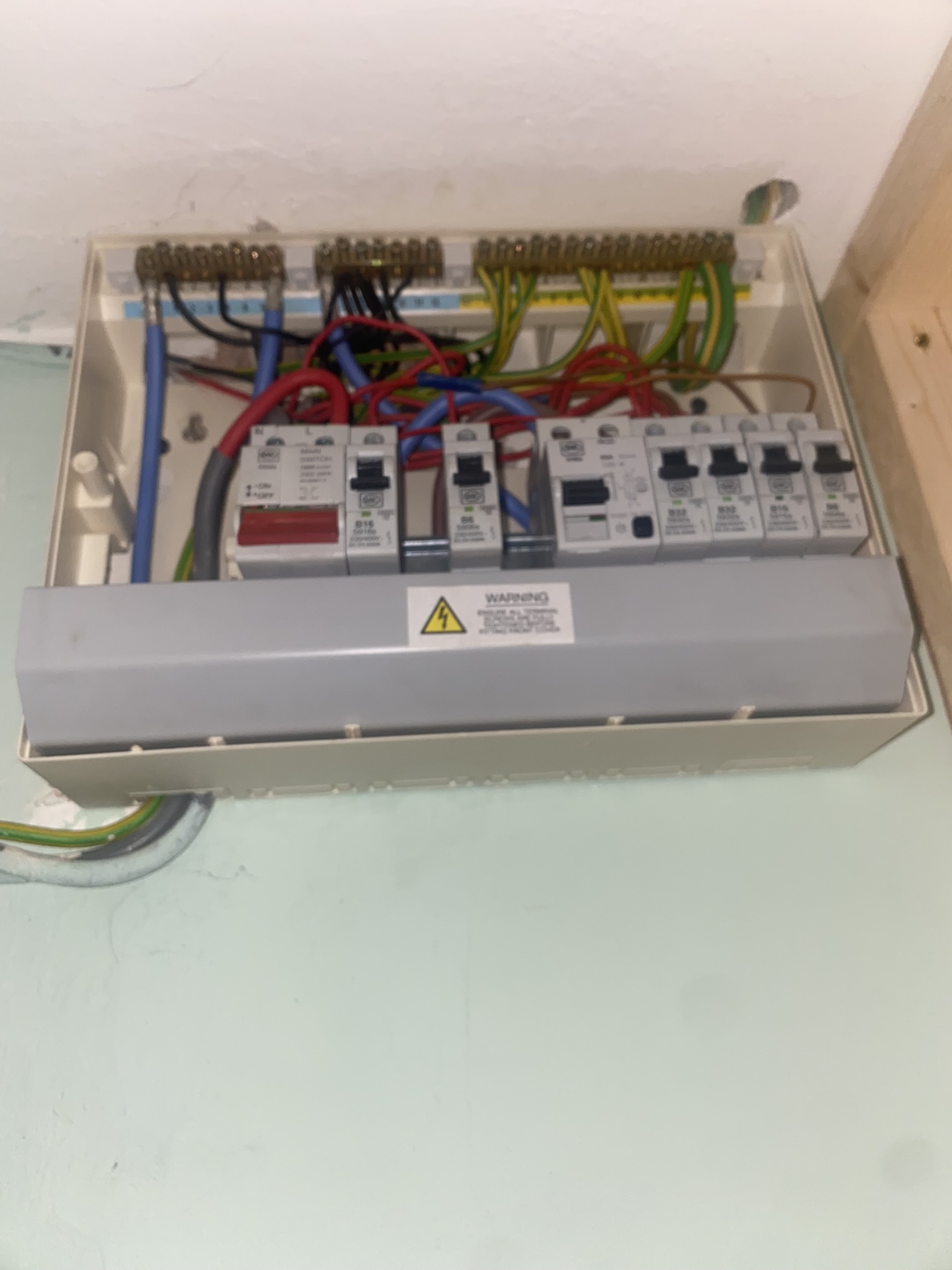
RCD protection forms the backbone of modern electrical safety systems in homes. These small devices monitor the flow of electricity through your circuits and react in milliseconds when something goes wrong. Unlike old-style fuses that only protect against overloads, RCDs can detect current leakages that might be flowing through a person, potentially saving lives.
Importance of RCDs in Homes
RCDs act as watchful guardians over your electrical system. They constantly measure electricity flowing through your circuits, cutting power in just 30 milliseconds when they detect problems—that’s faster than your heart beats.
Your family faces real risks without this protection. Water and electricity make a deadly mix, especially in kitchens and bathrooms where appliances are used near water sources. An RCD can prevent tragic accidents by sensing tiny current leaks before they become dangerous.
For homes with children, RCDs provide crucial protection against curious fingers and accidental damage to cords or appliances. Kids don’t understand electrical dangers, but RCDs don’t need them to—they simply cut the power when something’s wrong.
Older homes in Cambridge often lack proper RCD protection, putting families at unnecessary risk. During an EICR test, checking RCD functionality is a top priority because these devices are your first line of defense against electrical shocks.
Common RCD Protection Myths
“My house has fuses, so I’m already protected.” This common misunderstanding puts many homeowners at risk. Traditional fuses only react to overloads, not the small current leakages that can kill. Only RCDs can detect these dangerous leaks.
Some people believe RCDs trip for no reason, causing needless power cuts. The truth? RCDs rarely trip without cause. What seems like a false alarm often signals hidden problems like damaged cable insulation or moisture in electrical fittings.
“Installing RCDs is too expensive.” While there is an upfront EICR cost and installation expense, this pales compared to medical bills or property damage from electrical fires. Think of RCDs as cheap insurance for your family and home.
Many homeowners think one RCD for the whole house is enough. Modern standards actually call for multiple RCDs, each protecting different circuits. This way, a fault in your kitchen won’t leave your entire home without power.
Steps to Ensure Proper RCD Functioning
Test your RCDs monthly by pressing the test button. This simple habit takes seconds but confirms your safety net is working. Mark it on your calendar or set a phone reminder—it’s that important.
Keep moisture away from electrical installations. RCDs are sensitive to water, which can cause nuisance tripping. Fix leaky pipes near electrical points and ensure outdoor sockets have proper waterproof covers.
Book regular professional checks as part of your maintenance routine. An EICR test in Cambridge will include detailed testing of all RCDs using specialized equipment that goes beyond the simple push-button test.
Replace aging RCDs before they fail. Like all devices, RCDs have a limited lifespan (typically 10-15 years). If yours are approaching this age, consider proactive replacement rather than waiting for failure.
If your RCD trips repeatedly, don’t keep resetting it. This warning sign needs professional investigation. Call an electrician to find and fix the underlying issue before using the circuit again.
