
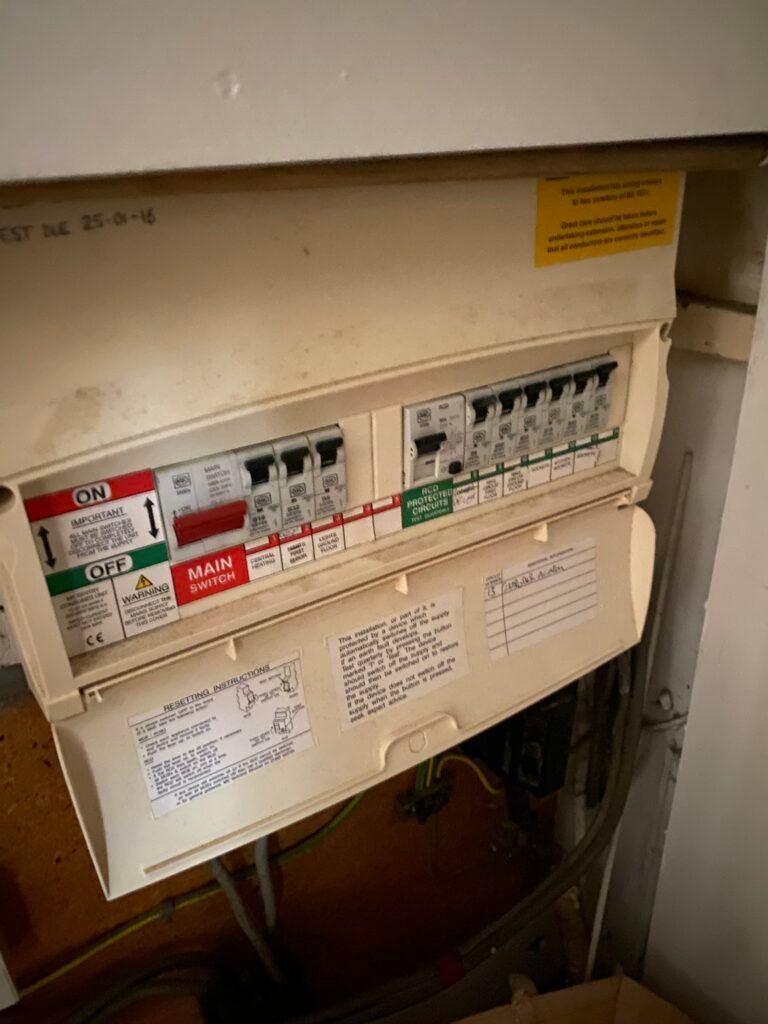
The Importance of Consumer Unit Upgrades for Enhanced Electrical Safety
Old fuse boards and outdated wiring put your property at risk every day. Many landlords overlook how a simple consumer unit upgrade can prevent serious electrical faults. This post breaks down why an eicr test isn’t just a formality but a crucial step in safeguarding your tenants and investment. You’ll also learn what to expect with eicr cost and why RCD protection matters more than you think.
Why Consumer Unit Upgrades Matter
The Safety Basics
Your property’s consumer unit (fuse board) serves as the main control center for your electrical system. Older units, often found in Cambridge properties built before the 1980s, lack many safety features that are now standard. A proper eicr test will spot these outdated systems, but many landlords hesitate due to concerns about eicr cost.
The truth is that the expense of upgrading is far less than dealing with an electrical fire or, worse, injuries to tenants. In Cambridge, where many properties have historical value, protecting these assets becomes even more important.
RCD Protection: Your Property’s Shield
Modern consumer units include Residual Current Devices (RCDs) that automatically cut power when they detect faults. This feature can prevent electric shocks and fires by shutting off electricity flow within milliseconds of detecting a problem.
If your eicr test reveals a lack of RCD protection, this should be a top priority for upgrade. For landlords in Cambridge, where many properties are older, this single improvement can make a huge difference in safety levels.
Understanding EICR Requirements
What Is an EICR?
An Electrical Installation Condition Report (EICR) is a detailed check of your property’s electrical systems. During an eicr test, a qualified electrician examines everything from your consumer unit to wiring, sockets, and light fittings.
For landlords, an EICR is now legally required every five years. The eicr cost in Cambridge typically ranges from £150 to £300 for average-sized properties, though this can vary based on property size and complexity.
Common EICR Failures
Many properties in Cambridge fail their eicr test due to outdated consumer units. Other common issues include:
-
Inadequate earthing and bonding
-
Old rubber or fabric-coated wiring
-
Overloaded circuits
-
Lack of RCD protection
Each of these issues poses real safety risks that shouldn’t be ignored.
Taking Action After Your EICR
If your property fails its eicr test, don’t panic. Most issues can be fixed, with consumer unit upgrades being one of the most effective solutions.
For Cambridge property owners, finding a trusted local electrician who understands both modern requirements and the challenges of older buildings is key. They can help you balance safety needs with budget concerns, often phasing work to spread the eicr cost over time if needed.
Remember that beyond legal compliance, these upgrades protect your investment and the people living in your property. By taking electrical safety seriously, you show your commitment to being a responsible landlord while also protecting your valuable asset.
Need help with your eicr in Cambridge? Contact a qualified electrician today to schedule your inspection and discuss potential consumer unit upgrades.
Consumer Unit Upgrades Explained
Yo
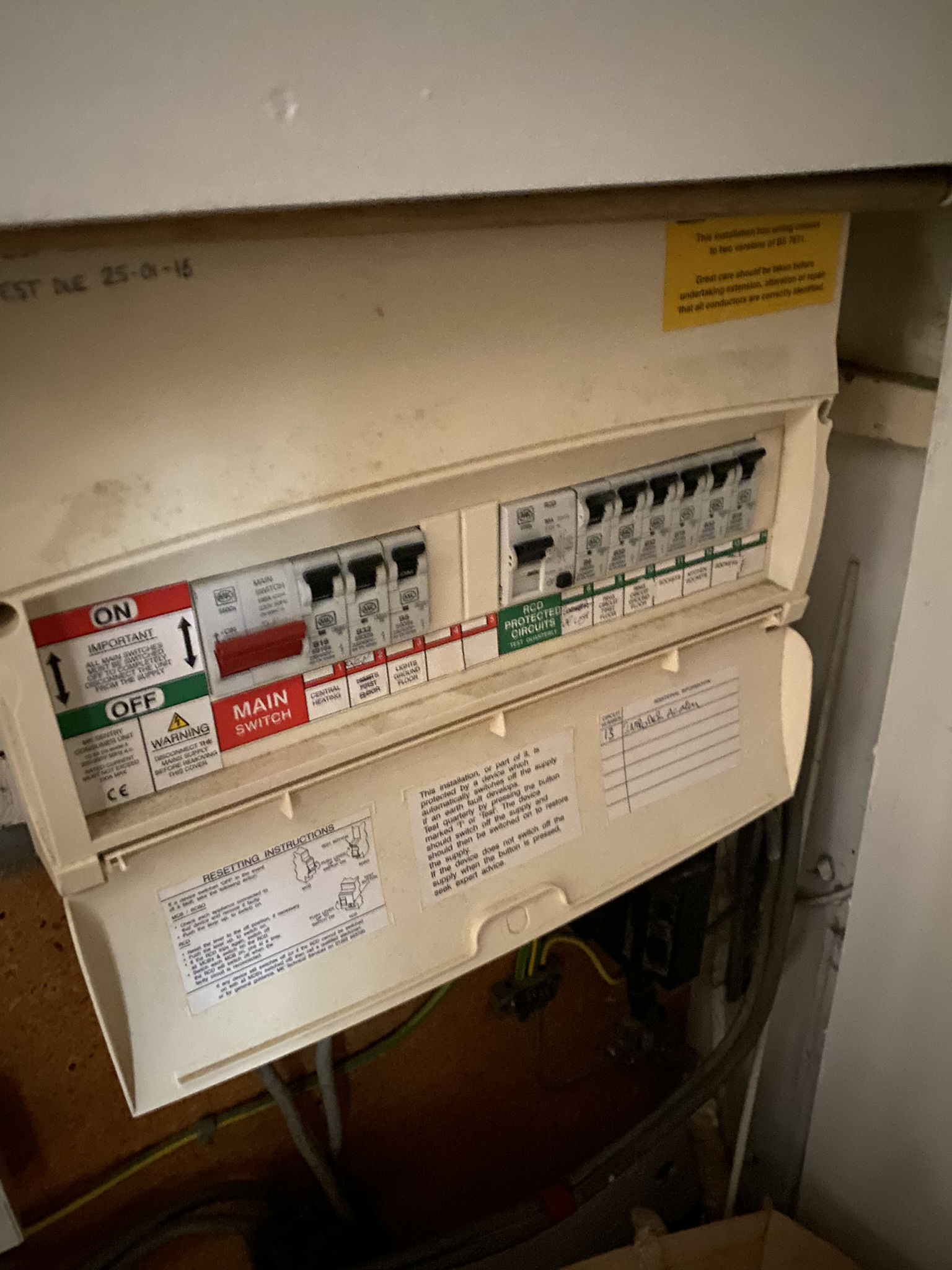
ur consumer unit is more than just a box on the wall—it’s your property’s electrical command center. When electricians recommend upgrades during an eicr test, they’re not trying to increase your eicr cost—they’re highlighting a crucial safety need. Modern units feature plastic casings instead of metal, reducing fire risks if electrical faults occur.
The latest consumer units also include separate switches for different areas of your property. This setup allows you to keep essential circuits running even when maintenance is needed elsewhere. For landlords with multiple tenants, this feature proves especially valuable.
RCD Protection Benefits
RCD protection acts like a watchful guardian for your electrical system. Unlike old-style fuses that only react to overloads, RCDs detect tiny current leaks that could signal dangerous faults. They can cut power in as little as 30 milliseconds—faster than an electrical shock can cause heart damage.
This protection is particularly important in areas where water and electricity might mix. Your kitchen, bathroom, and outdoor sockets all benefit from RCD safeguards. Many landlords are surprised when their eicr test flags missing RCD protection as a major issue.
The safety benefits extend beyond preventing shocks. RCDs also reduce fire risks by shutting down faulty circuits before they can cause sparks or overheating. For properties in Cambridge with wooden floors and structural elements, this fire prevention aspect is priceless.
Addressing Old Wiring
Behind your walls lies a network of wiring that powers your property. If your home was built before the 1970s, you might still have outdated wiring with fabric or rubber coatings. These materials break down over time, creating serious fire risks that an eicr test will identify.
Signs of aging wiring include frequent blown fuses, flickering lights, and warm spots on walls. You might also notice a burning smell near outlets or switches. Don’t wait for these warning signs—a proper eicr can spot wiring problems before they become dangerous.
Replacing old wiring might seem costly, but compared to fire damage, it’s a bargain. Many Cambridge property owners can phase the work room by room to manage the eicr cost more effectively. Starting with high-risk areas like kitchens and bathrooms makes sense if you need to spread the work over time.
Your tenants deserve safe, reliable electricity. Old wiring not only creates safety issues but also limits the power available for modern appliances. Today’s households use far more devices than homes did even 20 years ago.
Understanding Earthing & Bonding
Earthing and bonding form your electrical system’s safety net. Think of earthing as creating a safe path for electricity to follow if something goes wrong. Without proper earthing, faulty appliances can make metal parts “live”—turning your sink, bathtub, or even appliance casings into shock hazards.
Bonding connects metal pipes and structural parts together, ensuring they stay at the same electrical potential. This prevents dangerous voltage differences that could cause shocks. During an eicr test in Cambridge properties, inadequate earthing and bonding are common issues, especially in older buildings.
The good news? Improving earthing and bonding is often less disruptive than complete rewiring. A qualified electrician can enhance these safety systems without major construction work in many cases. They’ll connect the main earthing wire to water and gas pipes, radiators, and other metal items that could conduct electricity.
For landlords, proper earthing and bonding offers peace of mind. You’re protecting your tenants from hidden dangers while also meeting your legal obligations. When planning your eicr, make sure the electrician checks these critical safety systems thoroughly.
